Integrated M.Tech., Mechatronics and Automation Engineering
MIT-ADT University
Five-year integrated Bachelor’s and Master’s programme. Graduated with 2nd rank.
I love owning and turning complex engineering systems into clean, easy & testable interfaces & solutions. From automotive HMI and requirements engineering to ROS2, Autoware and autonomous driving systems.
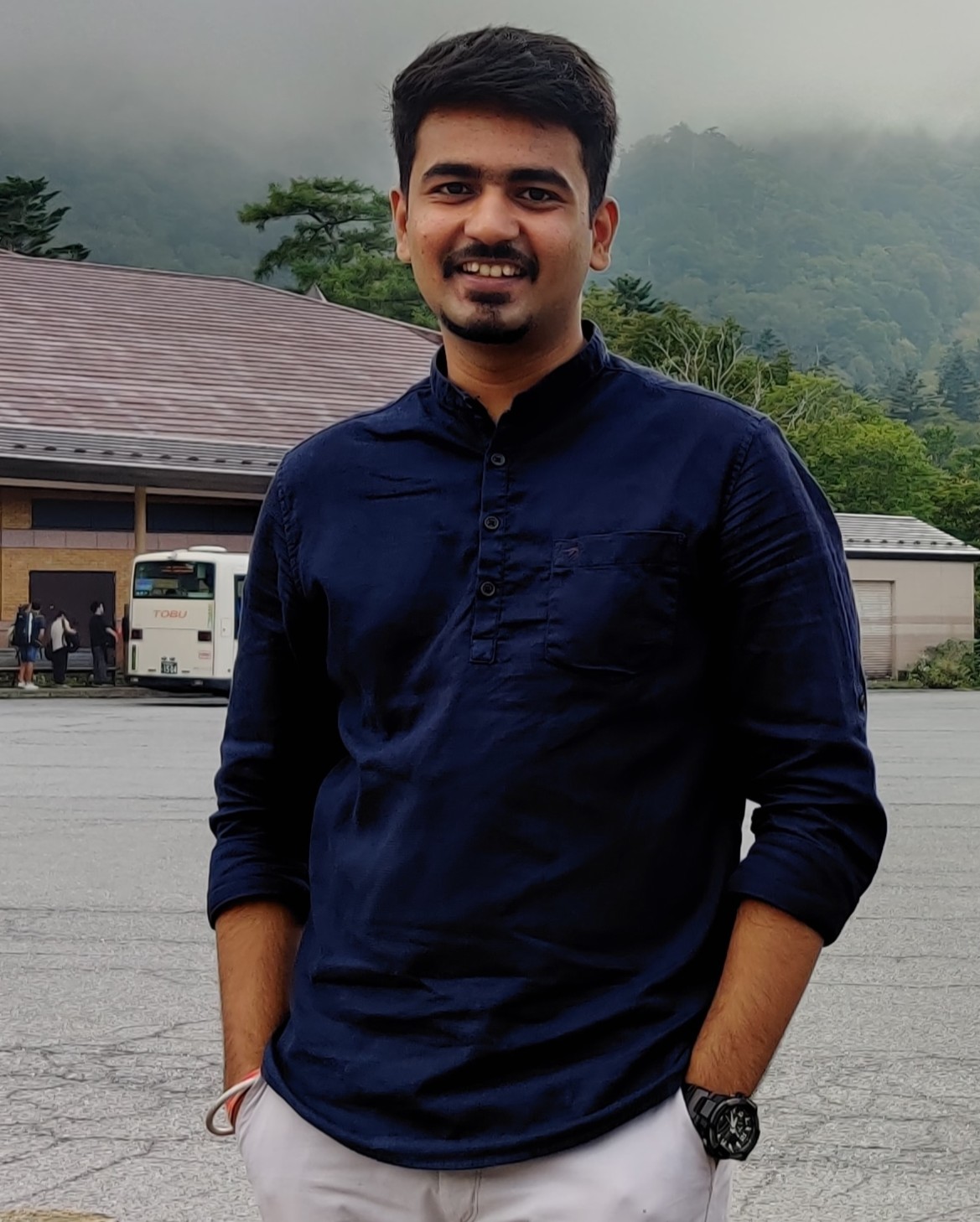
Engineering for me is not only about writing, debugging and learning new implementations of code. It is about understanding how the pieces interact, how it can be scaled in future, how it can be debugged block by block and adapted to future updates easily, defining the contract between them and making the result verifiable.
Systems-oriented engineer with ~2.5 years in automotive HMI and UX Design at Daimler Truck Innovation Centre, now working in robotics and automated driving (ROS 2, Autoware and CARLA) after graduate coursework in Automation and Robotics at TU Dortmund.
I enjoy the unglamorous core of engineering: deriving requirements, evaluating trade-offs and working through hard problems with a team. Automating small processes and most importantly reducing any kind of possible errors throughout the implementation.
My instinct is to take the risk of something tangled (a warning database at risk of loss, overflow bugs hiding in 36 languages, or a full autonomy stack) and reverse-engineer it into structure someone else can build on.
Most recently I co-led the software-stack workpackage on a teleoperated autonomous driving platform, authoring the interface architecture that served as the team's system-level contract.
From a single mechanism to a full autonomy stack. Scroll to trace how each step widened the system I worked on.
Five-year integrated Bachelor’s and Master’s programme. Graduated with 2nd rank.
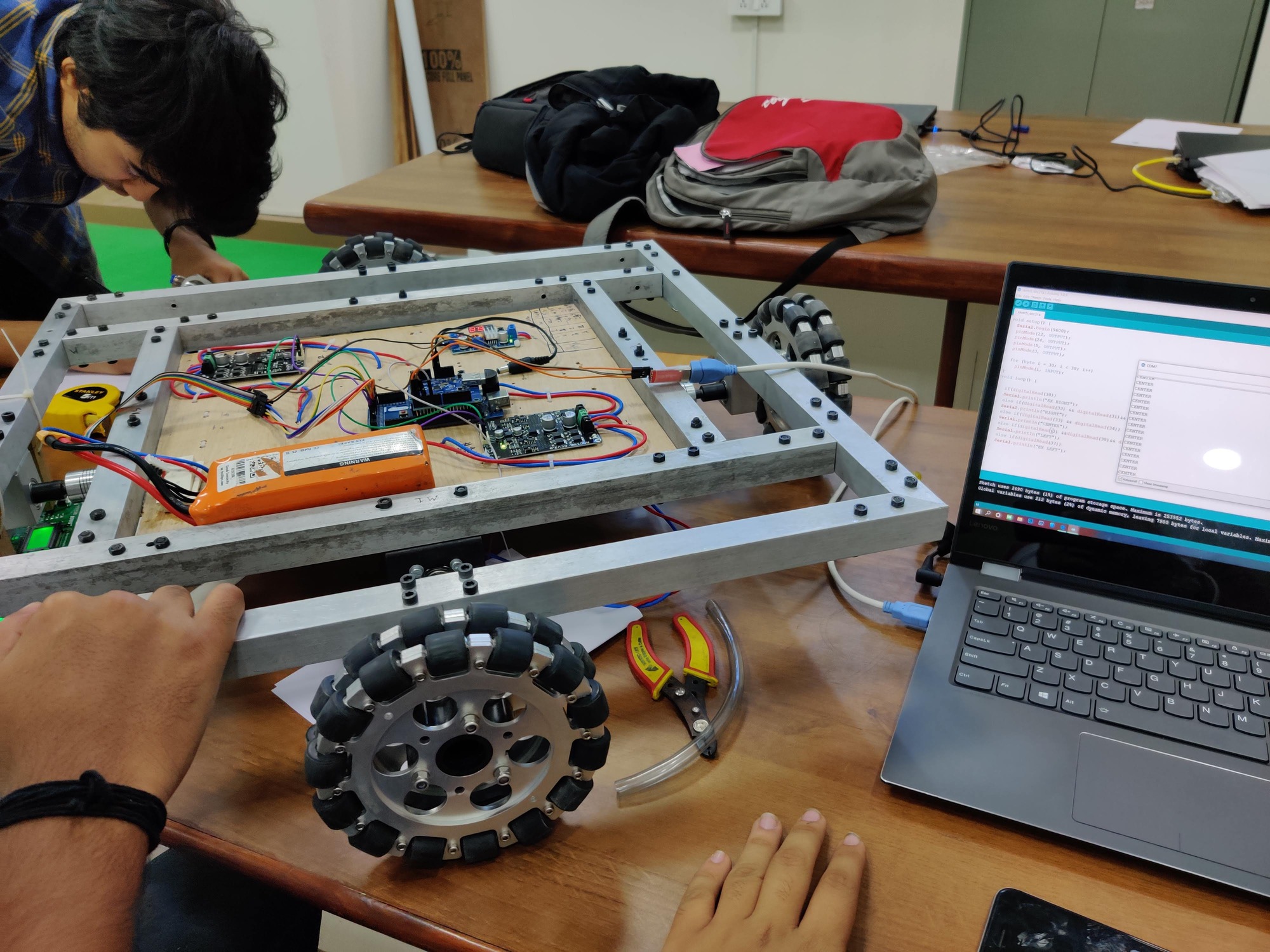
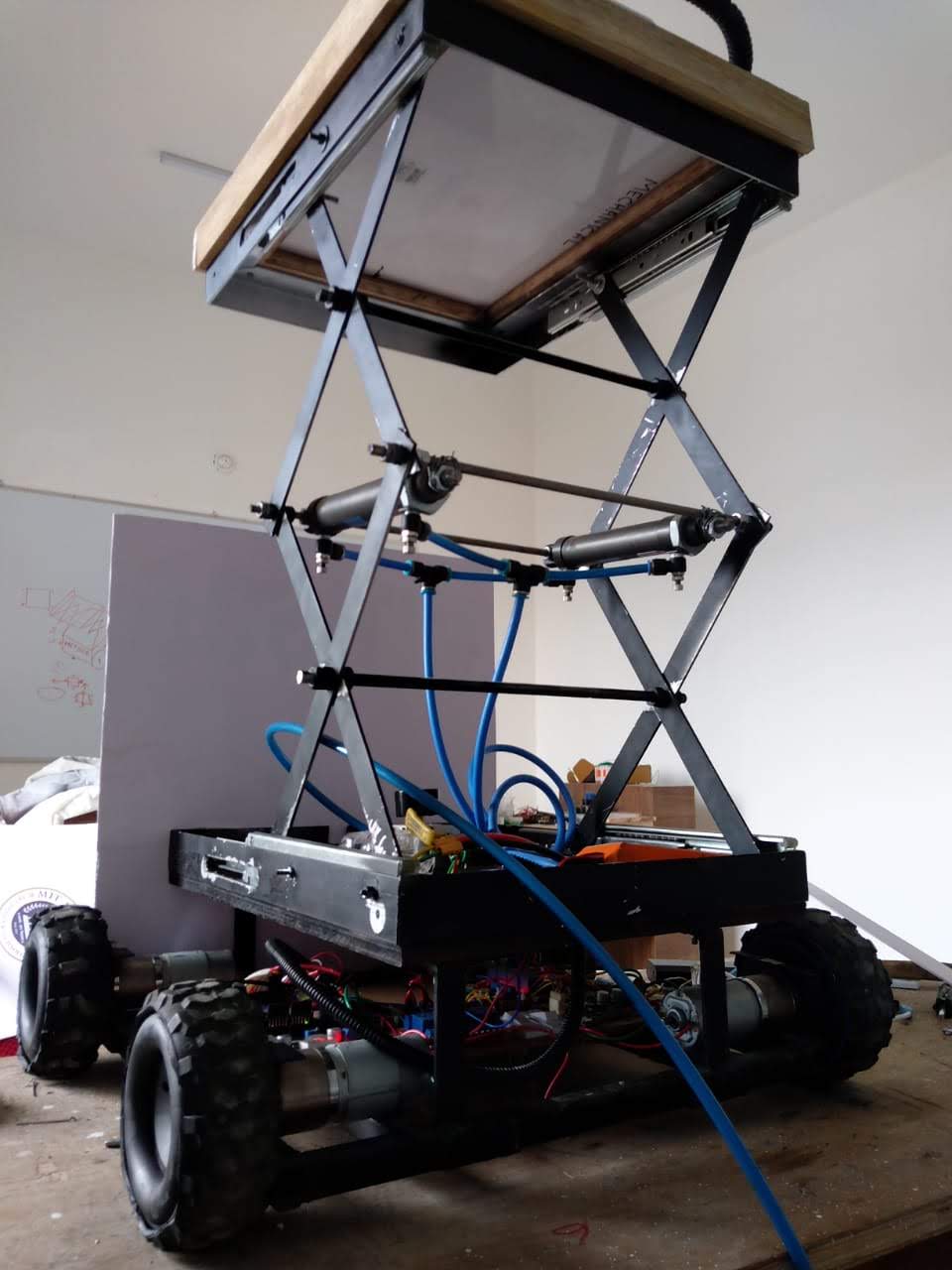
Led mechanical design across a 30-member student team; owned mechanism selection, kinematic calculations and design verification.
Supported electronic control unit (ECU) analysis, integration testing, diagnostics and homologation (type-approval) documentation for the multi-language display-text workflow.
Coursework: automated driving, 3D computer vision, mobile robots, cognitive systems, ROS 2, mobile radio networks.
One of two engineers on the software stack of a six-person project: mapped the Autoware pipeline (sensing, localisation, perception, planning, control, vehicle interface) onto the team’s work split, owned the CARLA-to-Autoware bridge, and authored the interface specification the team built to.
Currently: independent research on NLOS pedestrian perception (paper in preparation).
Projects where systems thinking, reverse engineering and measurable outcomes mattered more than the title.
Developing a method to detect pedestrians hidden from the vehicle's line of sight, before they enter the field of view of on-board sensors; method details withheld until publication.
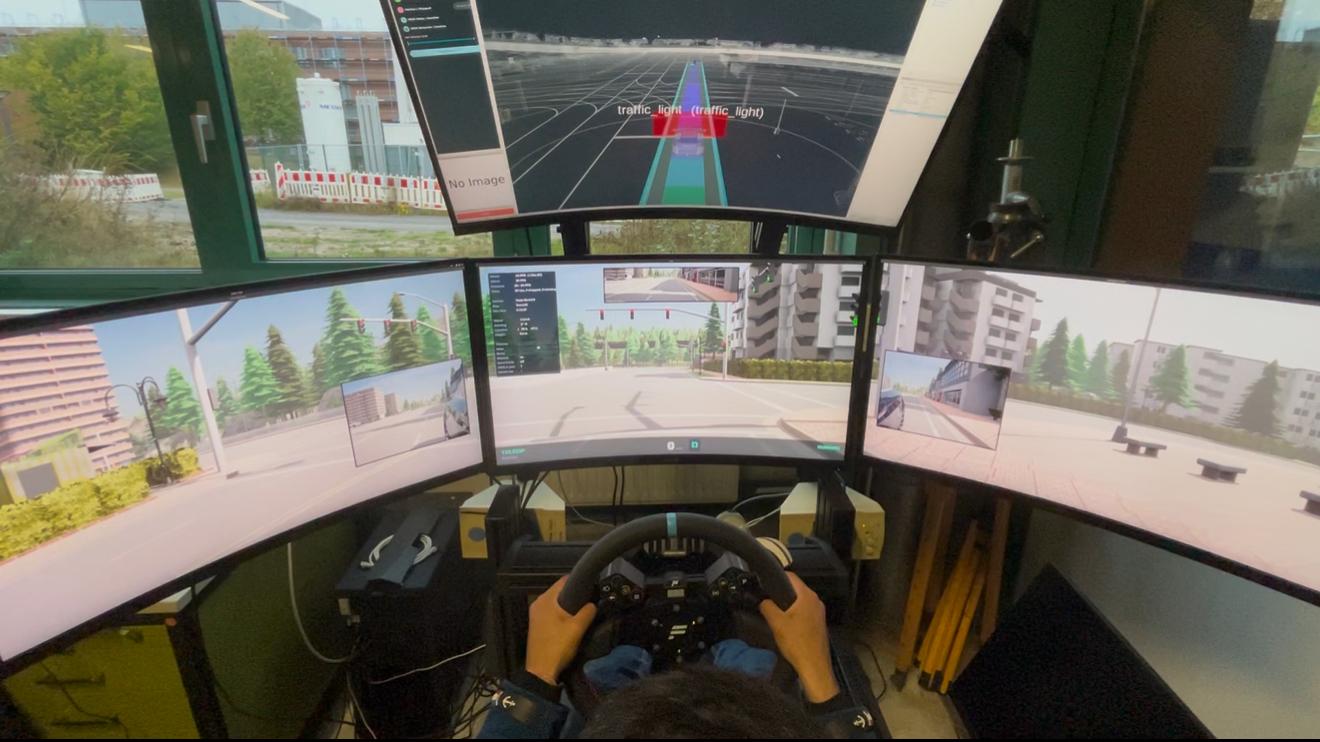
Co-leading the software-stack workpackage in a 6-person team. Authored the interface architecture document covering cross-container ROS2 topics, QoS profiles and coordinate-frame conversion specifications.
Built a Python tool to check HMI strings against UI bounding boxes across approximately 1.4 million words and 36 languages, catching overflow issues before release.

When IBM DOORS was discontinued, the warning database was at risk. Self-learned SQL, migrated the database to MS Access and reverse-engineered the export format with no additional process updates and costs within 2 months.
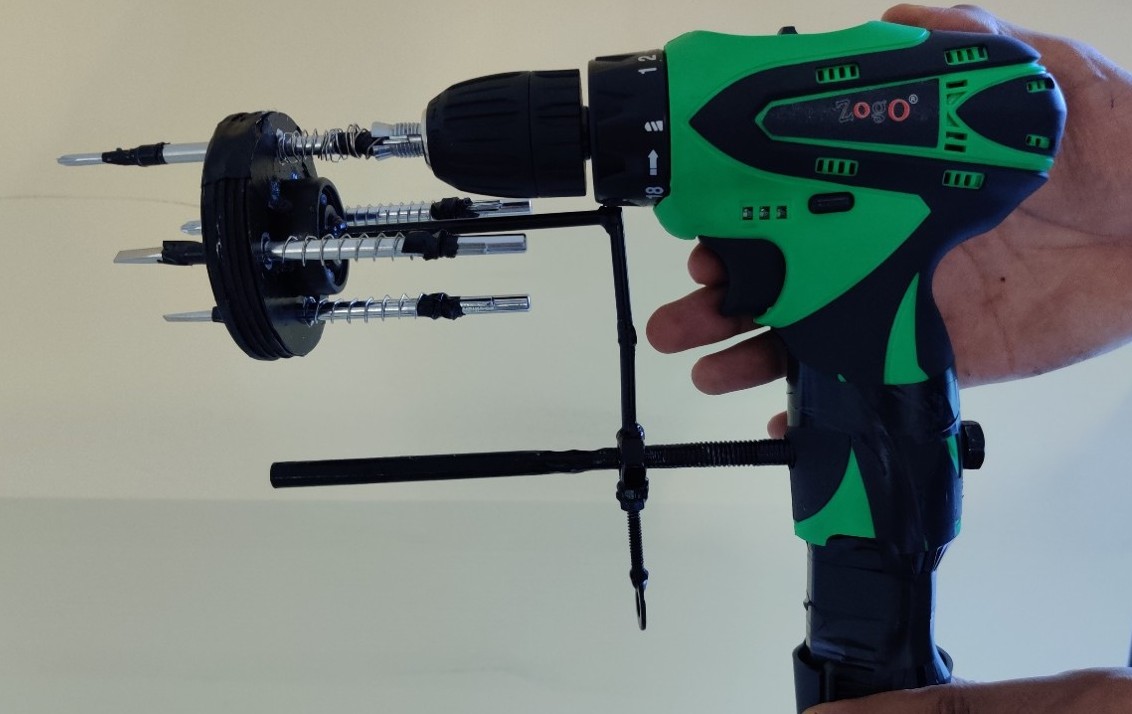
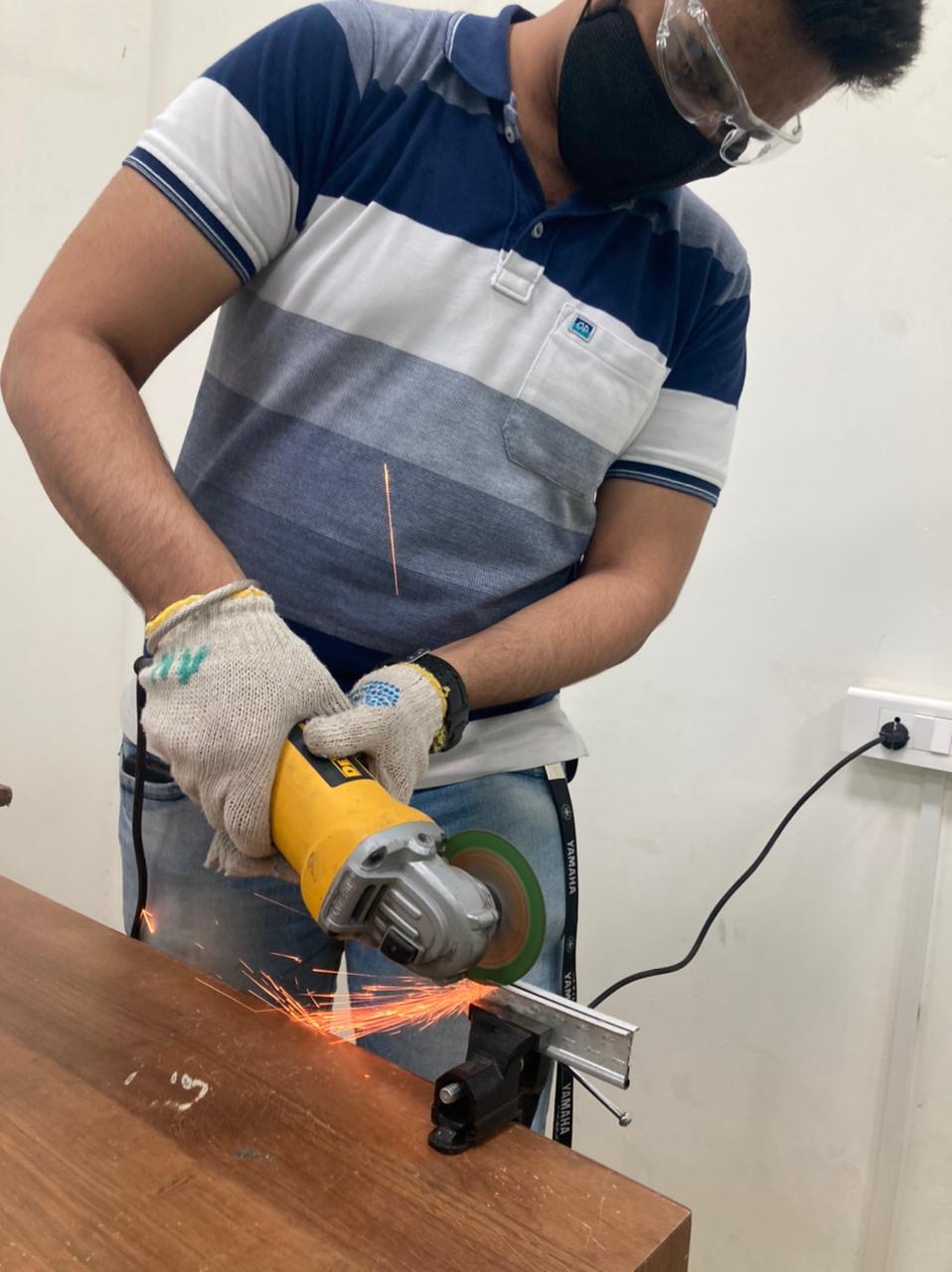
Designed and fabricated a multi-bit holder enabling quick manual interchange of six drill bits, integrated into a 12W rechargeable hand drill.
Designed and modeled an integrated ATV–drone in PTC Creo focused on aerodynamics and structural efficiency, integrating sensors, controllers and gesture-recognition modules for navigation and obstacle avoidance.
Reads the Autoware source and draws its message and diagnostic architecture as a navigable graph, so an engineer can trace a single signal chain – such as the minimum-risk manoeuvre that brings the vehicle to a safe stop – end to end.
concatenated, pick the lidar point cloud, and a +n opens the next level in a box. Online mode, on a dummy scenario (synthetic data, not a recorded Autoware run): the Live dashboard shows every sensor and layer on one time axis. The camera pipeline starts, the lidar rate drops, and the answer names the lidar point cloud as the root: nothing connects it to the camera nodes, but CPU and GPU load rose.Mapping the Autoware pipeline onto the team's software work-split and defining the interfaces between containers, nodes, topics, QoS profiles and coordinate frames.
A combination of software, robotics, systems engineering and mechanical design.
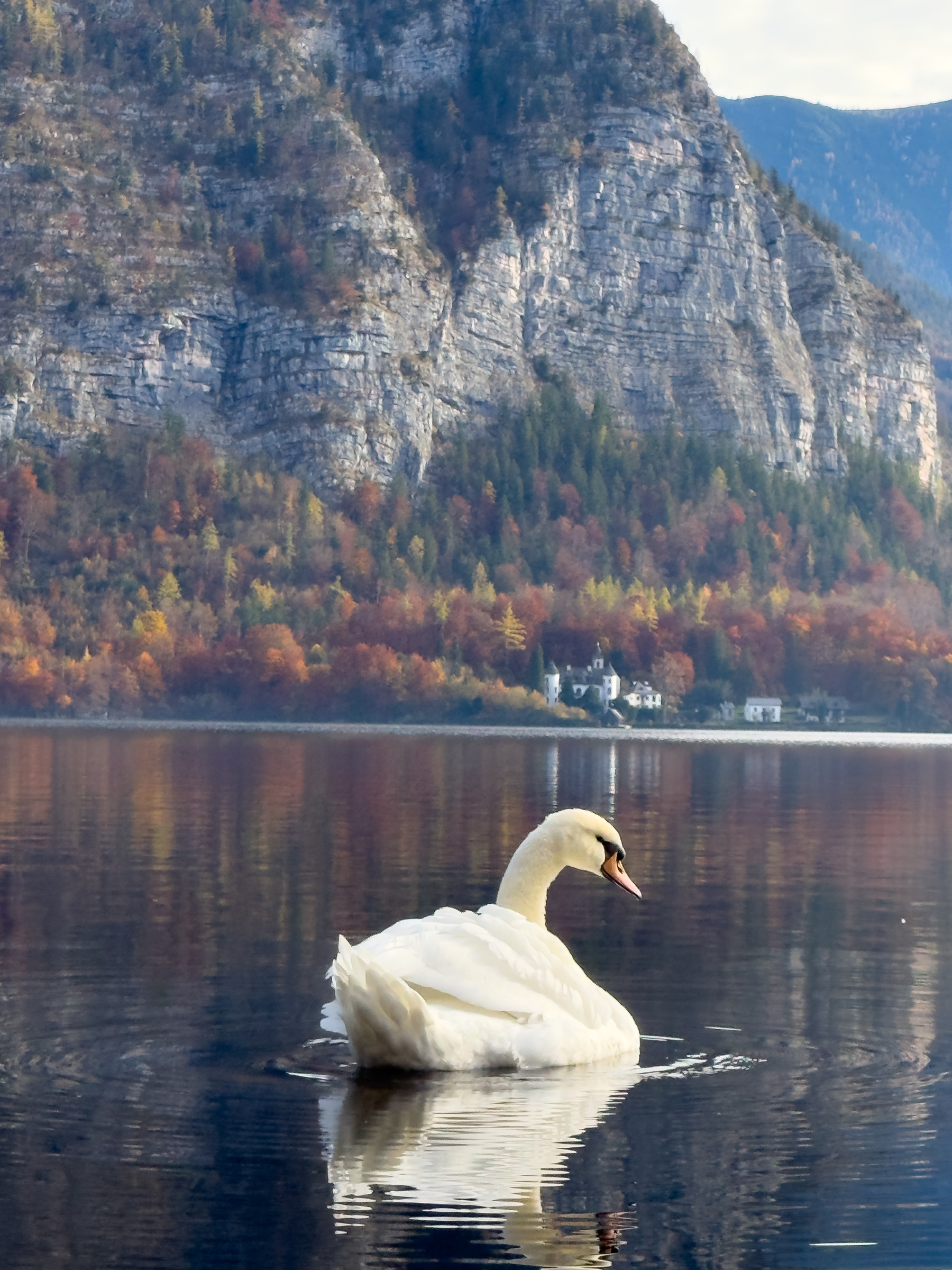
A mix of my own love & passion for photography: astronomy, landscapes and stories the world dictates.
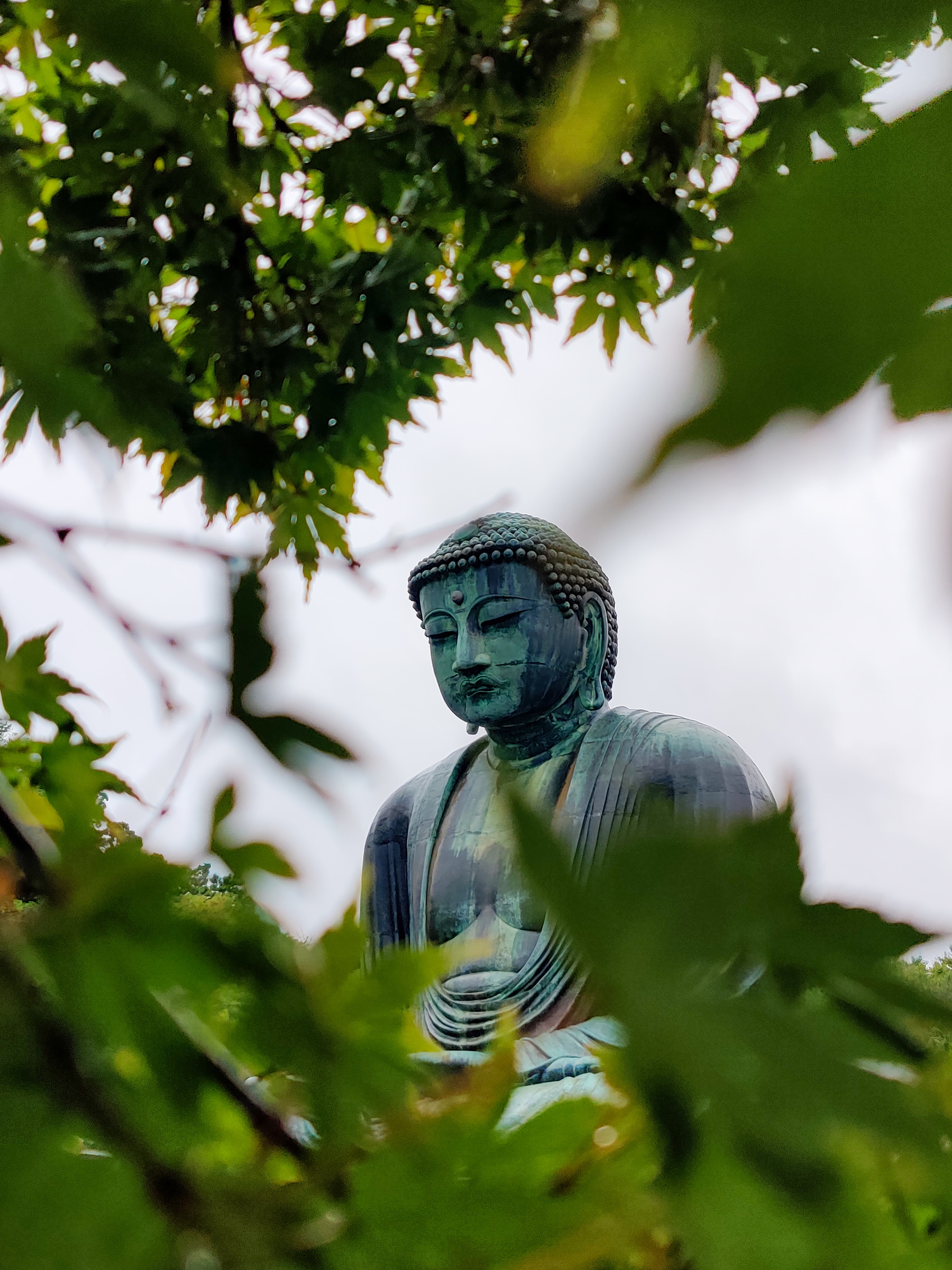
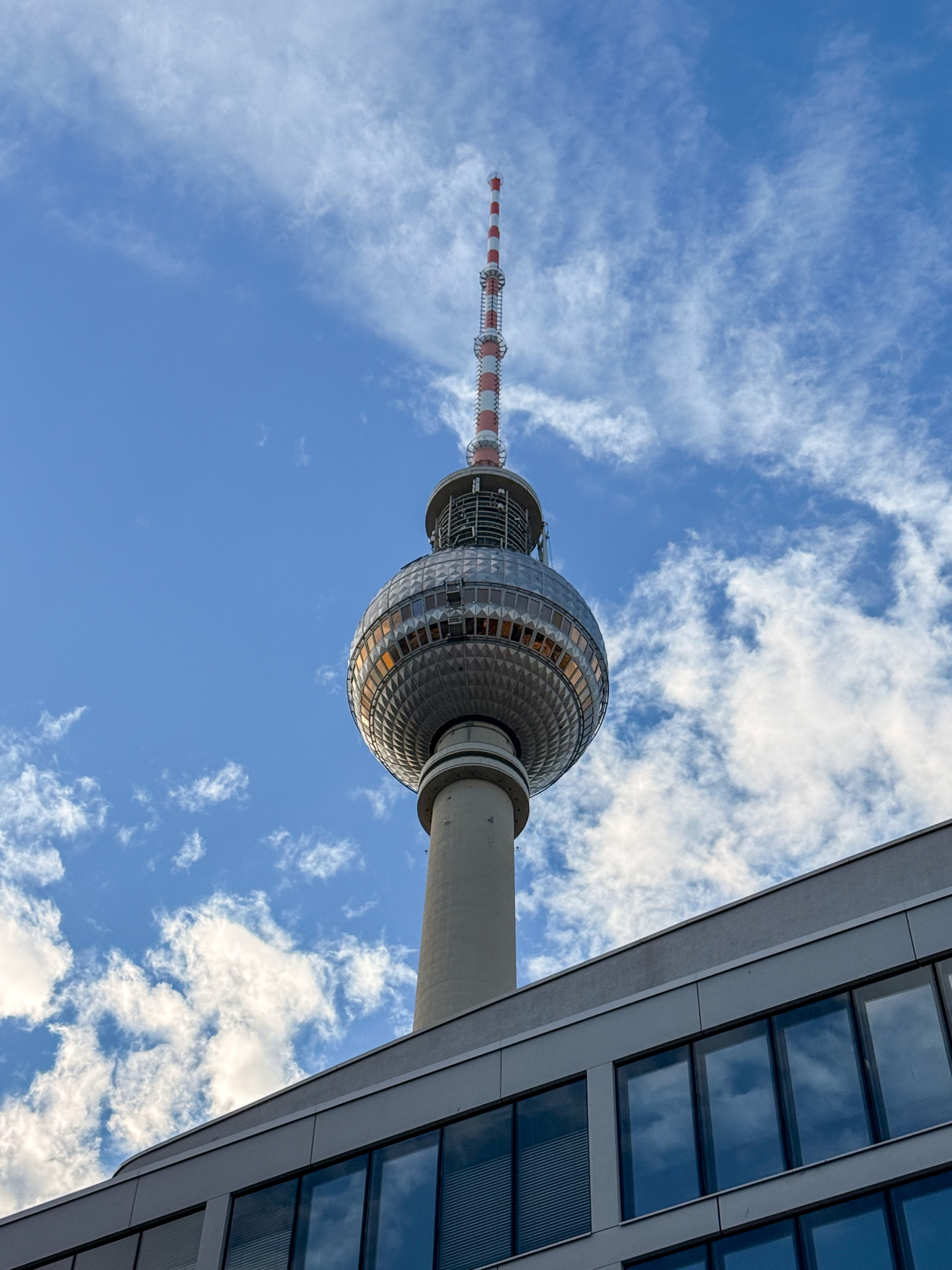
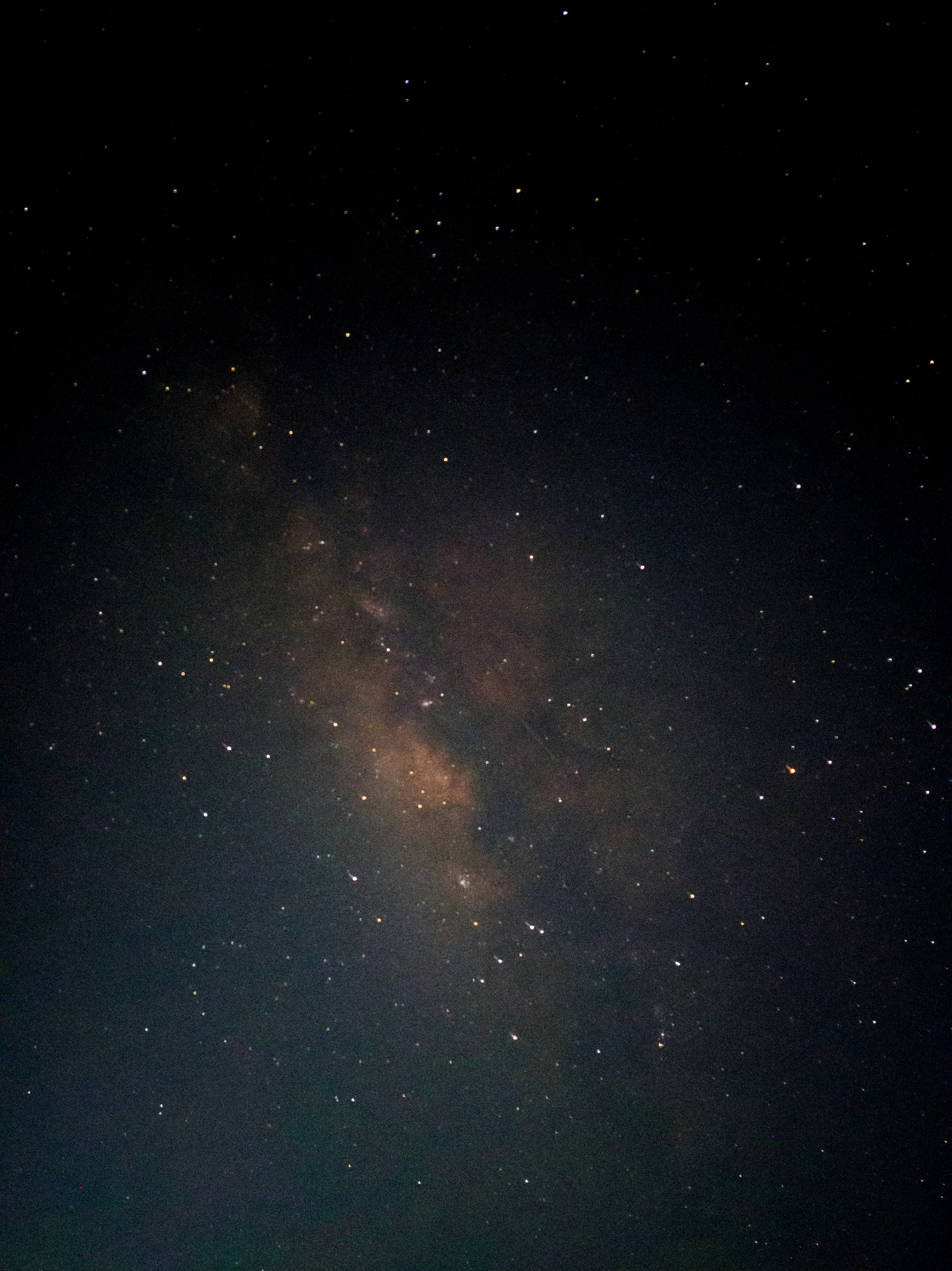
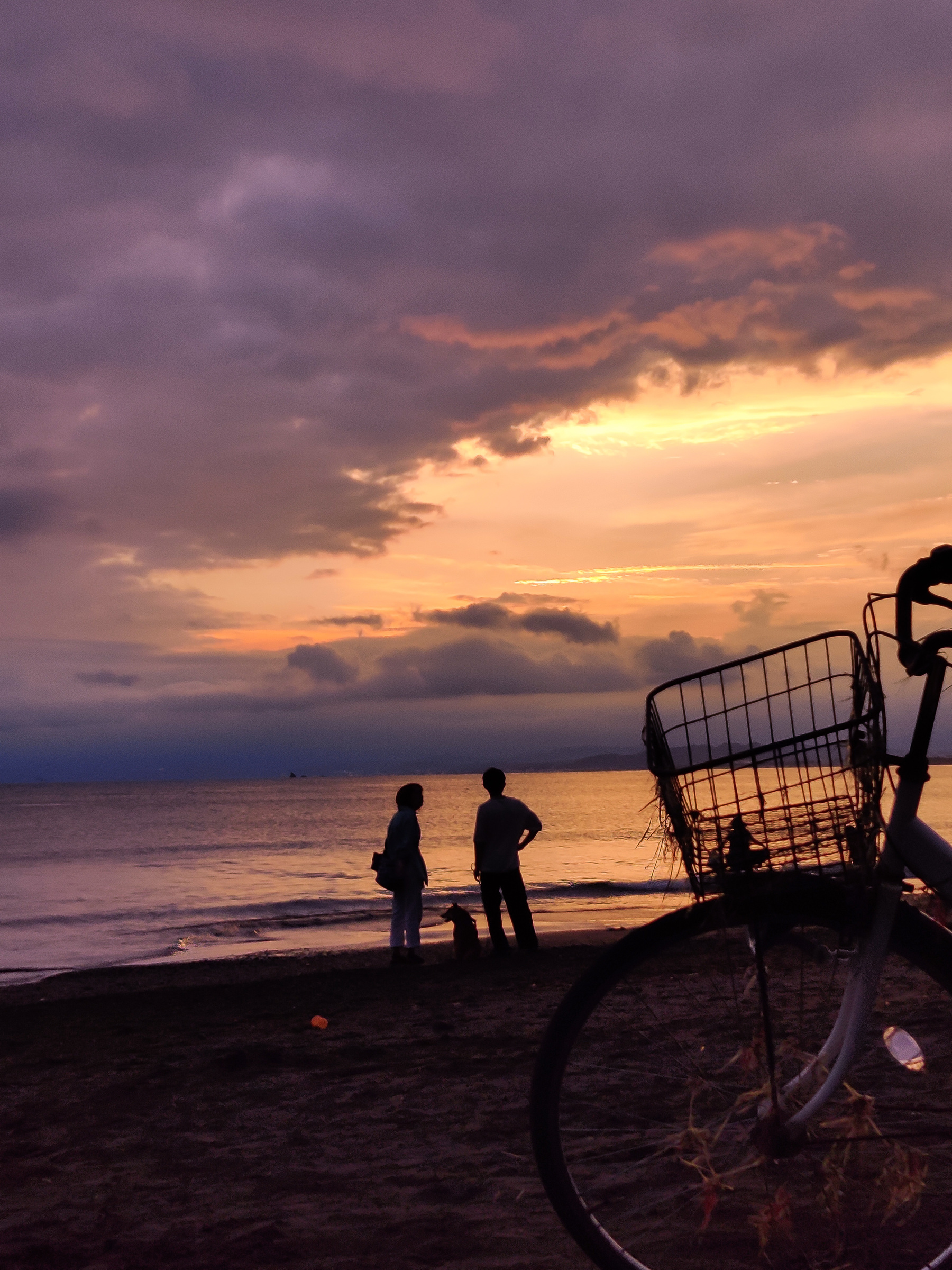
What keeps me curious when I'm not deriving requirements.
Stargazing and deep-sky objects, from planets to nebulae.
Engineering, design and motorsport, where machines meet speed.
Capturing the two above. The gallery here is my own work.
Long-form talks on tech, science and engineering keep me learning.
Putting ideas into words with the same clarity I aim for in a spec.